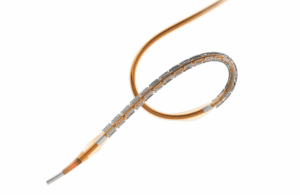
Results were presented at the European Society of Cardiology (ESC) Congress 2025.
The randomized study enrolled 1,445 patients aged 75 years and older across 34 centers in Italy, Spain, and Poland. Participants were assigned to physiology-guided complete revascularization or culprit-only treatment, with Supraflex Cruz used in all procedures. The primary endpoint was a composite of all-cause death, myocardial infarction, stroke, and revascularization, assessed over three years.
According to data presented at ESC, physiology-guided complete revascularization reduced the risk of the primary and key secondary endpoints compared to culprit-only treatment. Rates of stent thrombosis remained low, reported at 1.03% at one year and 1.17% at three years.
“The FIRE trial demonstrates that physiology-guided complete revascularization using Supraflex Cruz lowered the risk of a composite endpoint of death, MI, stroke, or ischemia-driven revascularization compared to a culprit-only approach. Importantly, these benefits were sustained over 3 years, with a very low rate of stent thrombosis at both 1 and 3 years, highlighting the safety and reliability of Supraflex Cruz in elderly patients with multivessel disease,” said Prof. Gianluca Campo, study chair.
The company also said the findings support the role of physiology-guided complete revascularization with Supraflex Cruz in high-risk elderly patients.
“The FIRE Trial reinforces evidence from TALENT, COMPARE 60/80, and other studies showing Supraflex Cruz consistently delivers positive outcomes in high-risk patients. With safety and enhanced deliverability, Supraflex Cruz continues to set benchmarks in coronary care globally,” said SMT Chief Medical Officer Dr. Krishna Sudhir.