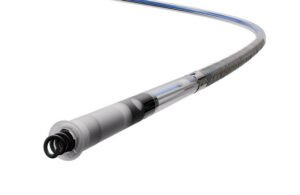
Used with the company’s implantable cardioverter-defibrillators, the UltiSynq lead is built to deliver conduction system pacing as well as life-saving shocks when necessary. By connecting with the cardiac muscle’s left bundle branch area, the system aims to wield the heart’s own electrical pathways for more efficient and coordinated heartbeats.
The device received an approval from the FDA as well as a CE mark in Europe. It will also be available for candidate patients receiving cardiac resynchronization therapy defibrillator implants.
“UltiSynq represents an important advance as Abbott continues to build a comprehensive cardiac rhythm management portfolio,” Randel Woodgrift, senior VP of Abbott’s cardiac rhythm management business, said in a statement. “Physicians now have a compelling option for conduction system pacing in patients who also need ICD or CRT-D therapy. UltiSynq extends physiologic pacing to patients who require both rhythm management and defibrillation protection.”
The regulatory approvals follow a CE mark issued last month for Medtronic’s Vitalis family of conduction system pacemakers, as well as an FDA green light in March for the company’s OmniaSecure defibrillation lead broadening its use for the left bundle branch. This year also saw Biotronik collect an FDA nod for its Solia CSP S pacing lead.
Related: Abbott completes first-in-human leadless left bundle branch area pacing procedures
Abbott said its UltiSynq is built on its Optisure ICD lead platform with the addition of bipolar sensing, via two electrodes closely spaced within the lead, which may allow it to more accurately identify the heart’s signals as they travel from atria to ventricles and avoid the triggering of unnecessary shocks.
Its approvals were based on data from Abbott’s ASCEND pivotal trial, which spanned about 200 participants across the U.S., Canada, Europe and the Asia-Pacific region. Lead implantation was successful in 98.5% of patients, with about 86% demonstrating left bundle branch pacing or likely pacing. The remaining 14% had left ventricular septal pacing, according to the company.
With results presented earlier this year at the Heart Rhythm Society annual meeting in Chicago, the study met its primary endpoints with 100% defibrillation success, no lead repositioning and no inappropriate shocks.