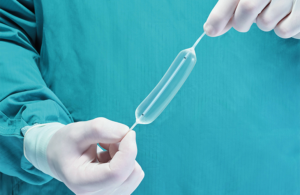
Amsterdam-based Philips designed Bridge Plus to help electrophysiology (EP) teams rapidly control bleeding and stabilize patients during rare but life-threatening superior vena cava (SVC) tears in transvenous lead extraction (TLE) procedures.
The company said it built the balloon on Bridge technology used in more than 50,000 procedures to date. It enables EP teams to respond in minutes, helping stabilize patients to buy time for surgical repair.
The low-pressure, compliant occlusion balloon features radiopaque markers for accurate placement. It offers compatibility with a wide range of patient anatomies, the company says.
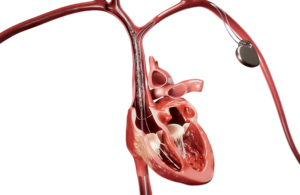
Philips says that lead extraction procedures commonly take place to remove leads from cardiac implantable electronic devices (CIEDs). These devices include pacemakers and defibrillators. While evidence supports the safe use of lead extraction, SVC tears can occur, becoming fatal without immediate intervention.
Commentary from Philips officials and device users
Stacy Beske, business leader, Image-Guided Therapy Devices at Philips, said:
“Ensuring procedural safety is a top priority for electrophysiology teams. Bridge Plus builds on established technology to help physicians prepare for rare SVC tears and respond quickly with the control needed to stabilize patients and transition to surgery.”
Dr. Thomas Callahan, electrophysiologist at Cleveland Clinic and investigator of Bridge Plus, said:
“Although superior vena cava tears are rare, they represent one of the most critical emergencies that can occur during lead extraction. Having an occlusion balloon staged and ready can significantly improve response time when every second matters. This technology may help teams prepare for these rare but serious events and support safer lead extraction procedures.”