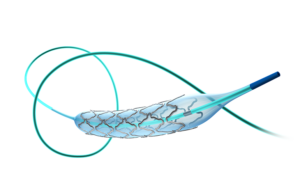
Apollo Dream, an investigational, balloon-expandable, rapid-exchange drug-eluting stent system, is designed to provide vascular scaffolding and restore. cerebral blood flow. It aims to treat intracranial atherosclerotic disease (ICAD), a leading cause of ischemic stroke.
The stent incorporates a proprietary microgroove drug delivery architecture. Sirolimus and a bioabsorbable polymer precisely fit within micron-sized grooves on the abluminal (vessel wall-facing) surface of the stent. The luminal (blood-facing) surface remains in a bare-metal state.
As the polymer degrades, sirolimus goes to the vessel wall. The company said its drug load registers lower than traditional drug-eluting stents.
MicroPort believes no other devices with this specific combination of features has breakthrough device designation for this indication. It currently has long-term safety outcomes under clinical investigation.
“The designation provides opportunities for early and frequent interaction with the FDA as development progresses, and represents a milestone in the regulatory strategy of the group,” MicroPort said in a news release. “The group will continue to drive global clinical studies and registration of the Apollo Dream to strengthen its global presence in neurovascular interventional therapy and benefit more patients.”